
Behind the Wheel, Beyond the Rage: The Mental Health Side of Road Rage
- posted: Jul. 08, 2025
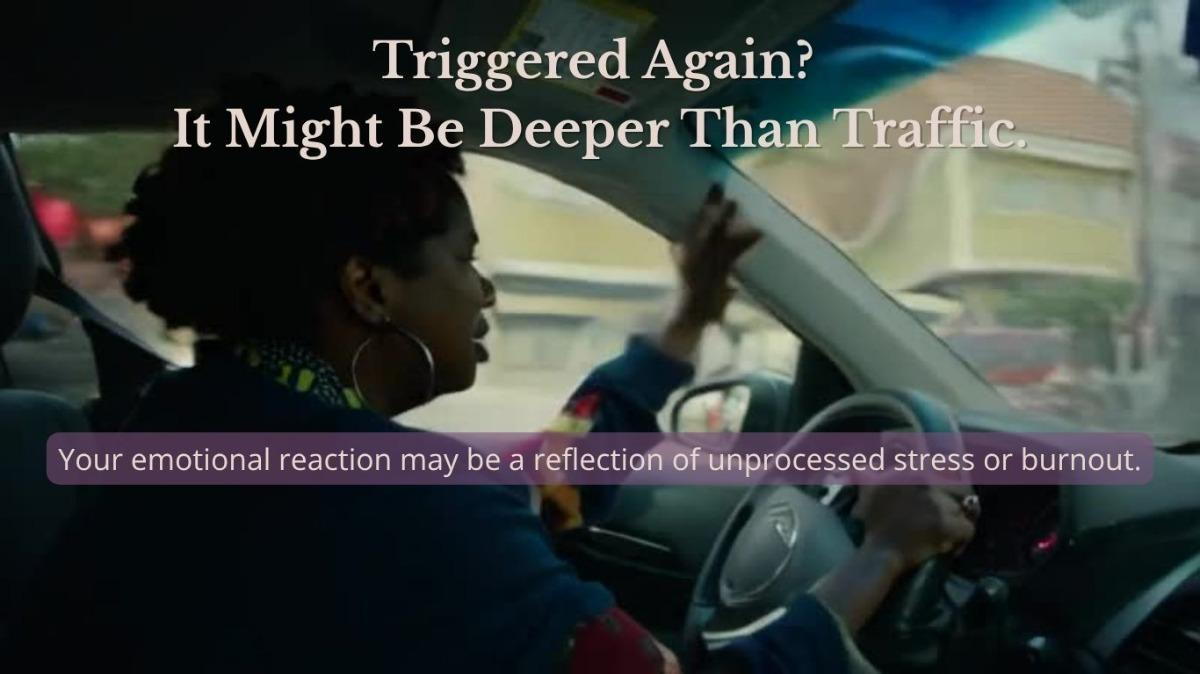
We've all felt it—someone cuts us off, drives too slowly in the fast lane, or fails to use their turn signal. Suddenly, we’re gripping the wheel tighter, yelling, maybe even honking aggressively. Road rage isn’t just about bad driving. For many, it's a sign of something deeper.
🚦 What Is Road Rage?
Road rage is an intense emotional reaction to driving-related stress, often characterized by yelling, tailgating, aggressive gestures, or dangerous driving. But beneath the surface, it’s not always about the other driver—it’s often about you, your emotional state, and how you’re managing (or not managing) stress and mental health.
🧠 How Mental Health Connects:
Unprocessed anger, chronic anxiety, depression, unresolved trauma, or burnout can all heighten emotional reactivity behind the wheel. When the nervous system is dysregulated, small triggers—like traffic delays—can feel like major threats.
Some common contributors include:
Generalized Anxiety or Panic Disorders
High-functioning depression or irritability
Work-related burnout or chronic stress
PTSD or hypervigilance
Poor sleep, diet, or overexertion
Lack of emotional outlets or support
🔥 Signs Your Road Rage May Be a Mental Health Warning Sign:
You feel “out of body” after an outburst.
You're easily triggered by small inconveniences.
You carry guilt or shame after an incident.
Friends or loved ones mention your anger.
It’s happening more frequently or more intensely.
🚘 Tips for Managing Emotions Behind the Wheel:
Name What You’re Feeling: Is it really about traffic—or are you carrying frustration from work, a conversation, or an argument?
Breathe Before Reacting: Practice a 4–7–8 breath pattern while driving (inhale 4, hold 7, exhale 8) to regulate your nervous system.
Use “Cool Down” Tools: Create a calming playlist or use a lavender car diffuser to keep your body grounded.
Create Buffer Time: Rushing increases panic. Leaving early can change everything.
Get Curious, Not Furious: “What else might this person be going through?” Sometimes empathy interrupts escalation.
Seek Support: If your reactivity is affecting your relationships or peace, therapy can help identify and address the root.
🧑🏽⚕️ Therapist’s Note:
Road rage isn’t always about impatience—it’s often a signal that something internally is out of alignment. If your emotional reaction behind the wheel is disproportionate to what’s happening around you, let that be an invitation to check in with your mental health. Healing doesn’t stop when you turn the ignition.
📢 Call to Action:
It’s time to shift gears—emotionally and mentally. Explore our latest therapy blog to understand how road rage may be a sign your mental health needs support. Book a session with Pleasant Counseling or explore our free wellness tools.
- posted: Jul. 08, 2025
We've all felt it—someone cuts us off, drives too slowly in the fast lane, or fails to use their turn signal. Suddenly, we’re gripping the wheel tighter, yelling, maybe even honking aggressively. Road rage isn’t just about bad driving. For many, it's a sign of something deeper.
🚦 What Is Road Rage?
Road rage is an intense emotional reaction to driving-related stress, often characterized by yelling, tailgating, aggressive gestures, or dangerous driving. But beneath the surface, it’s not always about the other driver—it’s often about you, your emotional state, and how you’re managing (or not managing) stress and mental health.
🧠 How Mental Health Connects:
Unprocessed anger, chronic anxiety, depression, unresolved trauma, or burnout can all heighten emotional reactivity behind the wheel. When the nervous system is dysregulated, small triggers—like traffic delays—can feel like major threats.
Some common contributors include:
Generalized Anxiety or Panic Disorders
High-functioning depression or irritability
Work-related burnout or chronic stress
PTSD or hypervigilance
Poor sleep, diet, or overexertion
Lack of emotional outlets or support
🔥 Signs Your Road Rage May Be a Mental Health Warning Sign:
You feel “out of body” after an outburst.
You're easily triggered by small inconveniences.
You carry guilt or shame after an incident.
Friends or loved ones mention your anger.
It’s happening more frequently or more intensely.
🚘 Tips for Managing Emotions Behind the Wheel:
Name What You’re Feeling: Is it really about traffic—or are you carrying frustration from work, a conversation, or an argument?
Breathe Before Reacting: Practice a 4–7–8 breath pattern while driving (inhale 4, hold 7, exhale 8) to regulate your nervous system.
Use “Cool Down” Tools: Create a calming playlist or use a lavender car diffuser to keep your body grounded.
Create Buffer Time: Rushing increases panic. Leaving early can change everything.
Get Curious, Not Furious: “What else might this person be going through?” Sometimes empathy interrupts escalation.
Seek Support: If your reactivity is affecting your relationships or peace, therapy can help identify and address the root.
🧑🏽⚕️ Therapist’s Note:
Road rage isn’t always about impatience—it’s often a signal that something internally is out of alignment. If your emotional reaction behind the wheel is disproportionate to what’s happening around you, let that be an invitation to check in with your mental health. Healing doesn’t stop when you turn the ignition.
📢 Call to Action:
It’s time to shift gears—emotionally and mentally. Explore our latest therapy blog to understand how road rage may be a sign your mental health needs support. Book a session with Pleasant Counseling or explore our free wellness tools.
Royse City, TX 75189
My Availability
Monday
9:00 am - 8:00 pm
Tuesday
Closed
Wednesday
9:00 am - 8:00 pm
Thursday
9:00 am - 8:00 pm
Friday
9:00 am - 8:00 pm
Saturday
9:00 am - 8:00 pm
Sunday
9:00 am - 8:00 pm