
Breaking the Silence: Prioritizing Men's Mental Health During Men’s Health Month
- posted: Jun. 24, 2025
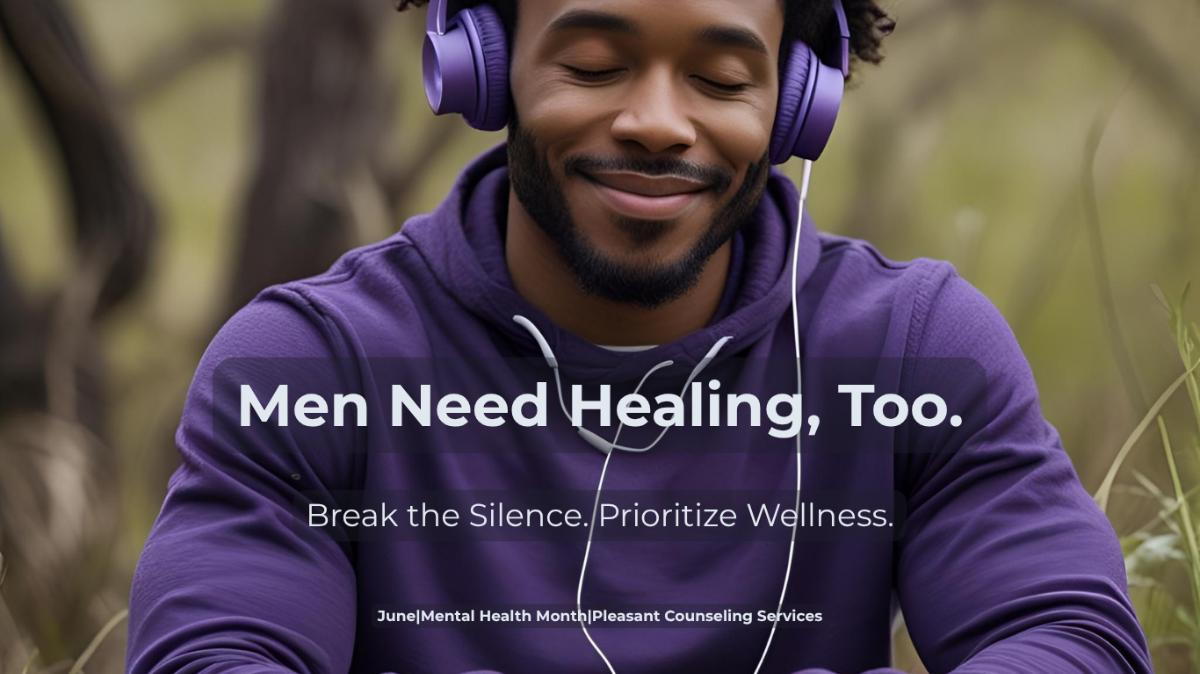
When we talk about health, we often focus on physical wellness—exercise, nutrition, and routine check-ups. But during Men’s Health Month, it's crucial to expand the conversation to include mental and emotional well-being.
For generations, many men have been conditioned to “tough it out,” hide their emotions, or view vulnerability as weakness. As a result, they may silently struggle with anxiety, depression, burnout, and relationship challenges, all while maintaining the appearance of strength.
But the truth is this: acknowledging your mental health is not weakness—it’s courage.
🚹 Why Men’s Mental Health Matters
Men are statistically less likely than women to seek therapy or talk about emotional distress. This silence can lead to increased rates of substance misuse, unmanaged stress, and even suicide.
Men’s Health Month is an opportunity to challenge these narratives, reduce stigma, and create safe spaces for men to talk openly about what they’re feeling.
🔍 Signs Men Might Be Struggling (Even If They Don’t Say It Out Loud):
Withdrawing from family or friends
Irritability or angry outbursts
Trouble sleeping or constant fatigue
Substance use to cope
Overworking as a form of avoidance
Feeling hopeless, “stuck,” or numb
🧠 Tips for Supporting Men's Mental Health:
Encourage openness. Ask, “How are you really doing?” and hold space without judgment.
Normalize therapy. Highlight that therapy is a strength-building tool, not a weakness.
Model self-care. Whether it’s a daily walk, journaling, or unplugging from work—balance matters.
Educate yourself. Learn about men’s mental health struggles to offer better support.
Check in regularly. Especially with the men who seem “okay.”
💬 Therapist’s Note:
Men deserve to be emotionally safe, supported, and seen. Whether you’re a man navigating life’s pressures or someone supporting a loved one, therapy can be a powerful part of the journey.
🔗 Call to Action:
If you or a man you love is ready to prioritize mental health, Pleasant Counseling is here to help. Visit the [Linktree] to book a session or explore therapist-created wellness tools.
- posted: Jun. 24, 2025
When we talk about health, we often focus on physical wellness—exercise, nutrition, and routine check-ups. But during Men’s Health Month, it's crucial to expand the conversation to include mental and emotional well-being.
For generations, many men have been conditioned to “tough it out,” hide their emotions, or view vulnerability as weakness. As a result, they may silently struggle with anxiety, depression, burnout, and relationship challenges, all while maintaining the appearance of strength.
But the truth is this: acknowledging your mental health is not weakness—it’s courage.
🚹 Why Men’s Mental Health Matters
Men are statistically less likely than women to seek therapy or talk about emotional distress. This silence can lead to increased rates of substance misuse, unmanaged stress, and even suicide.
Men’s Health Month is an opportunity to challenge these narratives, reduce stigma, and create safe spaces for men to talk openly about what they’re feeling.
🔍 Signs Men Might Be Struggling (Even If They Don’t Say It Out Loud):
Withdrawing from family or friends
Irritability or angry outbursts
Trouble sleeping or constant fatigue
Substance use to cope
Overworking as a form of avoidance
Feeling hopeless, “stuck,” or numb
🧠 Tips for Supporting Men's Mental Health:
Encourage openness. Ask, “How are you really doing?” and hold space without judgment.
Normalize therapy. Highlight that therapy is a strength-building tool, not a weakness.
Model self-care. Whether it’s a daily walk, journaling, or unplugging from work—balance matters.
Educate yourself. Learn about men’s mental health struggles to offer better support.
Check in regularly. Especially with the men who seem “okay.”
💬 Therapist’s Note:
Men deserve to be emotionally safe, supported, and seen. Whether you’re a man navigating life’s pressures or someone supporting a loved one, therapy can be a powerful part of the journey.
🔗 Call to Action:
If you or a man you love is ready to prioritize mental health, Pleasant Counseling is here to help. Visit the [Linktree] to book a session or explore therapist-created wellness tools.
Royse City, TX 75189
My Availability
Monday
9:00 am - 8:00 pm
Tuesday
Closed
Wednesday
9:00 am - 8:00 pm
Thursday
9:00 am - 8:00 pm
Friday
9:00 am - 8:00 pm
Saturday
9:00 am - 8:00 pm
Sunday
9:00 am - 8:00 pm