
Why Texting Makes You Anxious: Navigating Communication in the Digital Age
- posted: Jun. 04, 2025
In a world that’s always connected, texting seems like the easiest way to stay in touch. But for many people, that ping or unread message bubble can trigger anxiety rather than comfort.
At Pleasant Counseling Services, we hear it all the time:
“I overthink every reply.”
“Did they read my message and ignore it?”
“Why did they respond with a short answer—are they mad?”
Texting anxiety is real—and it’s more common than you might think.
📱 Why Does Texting Make Us Anxious?
Unlike in-person conversations, texting leaves out crucial cues like tone, facial expressions, and body language. Our brains fill in the gaps—often in negative ways. A delayed reply might feel like rejection. A one-word answer can feel dismissive. A lack of emojis might read as anger.
Texting also keeps us on high alert—pings, notifications, and those three dots that say someone is typing. We’re wired to seek social approval, and a delayed or cold reply can make us question our worth or our relationships.
💡 How to Navigate Texting Anxiety
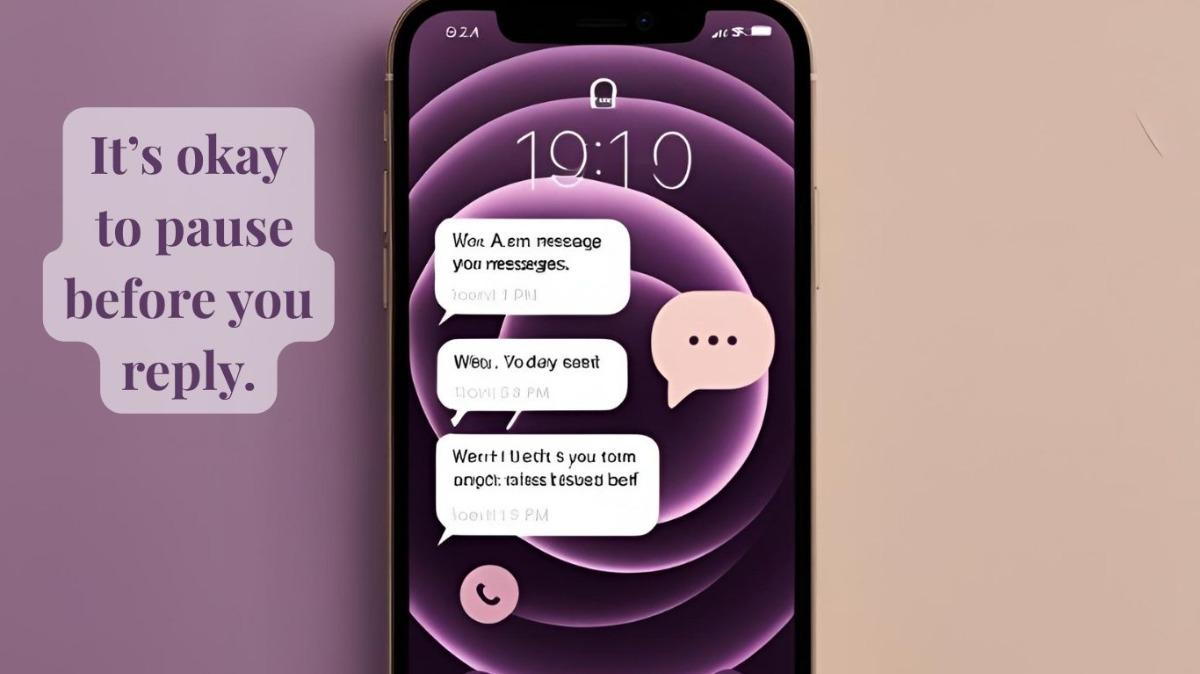
Pause before responding. You don’t have to reply instantly. Give yourself permission to think, breathe, and respond on your own time.
Reality check. Remind yourself that tone is hard to read over text, and a short reply doesn’t necessarily mean someone’s upset.
Set boundaries. If constant notifications stress you out, turn them off or use “Do Not Disturb” mode for certain hours.
Talk about it. Let friends and loved ones know that texting can feel overwhelming sometimes—and ask for a phone call or in-person chat when you need more connection.
💛 A Therapist’s Note
You are not alone. Texting anxiety is a normal response to our fast-paced, always-on culture. At Pleasant Counseling Services, we help clients explore their triggers, set healthy boundaries, and build confidence in their communication skills—online and offline.
Remember, it’s okay to put your mental health first—even in the digital world.
- posted: Jun. 04, 2025
In a world that’s always connected, texting seems like the easiest way to stay in touch. But for many people, that ping or unread message bubble can trigger anxiety rather than comfort.
At Pleasant Counseling Services, we hear it all the time:
“I overthink every reply.”
“Did they read my message and ignore it?”
“Why did they respond with a short answer—are they mad?”
Texting anxiety is real—and it’s more common than you might think.
📱 Why Does Texting Make Us Anxious?
Unlike in-person conversations, texting leaves out crucial cues like tone, facial expressions, and body language. Our brains fill in the gaps—often in negative ways. A delayed reply might feel like rejection. A one-word answer can feel dismissive. A lack of emojis might read as anger.
Texting also keeps us on high alert—pings, notifications, and those three dots that say someone is typing. We’re wired to seek social approval, and a delayed or cold reply can make us question our worth or our relationships.
💡 How to Navigate Texting Anxiety
Pause before responding. You don’t have to reply instantly. Give yourself permission to think, breathe, and respond on your own time.
Reality check. Remind yourself that tone is hard to read over text, and a short reply doesn’t necessarily mean someone’s upset.
Set boundaries. If constant notifications stress you out, turn them off or use “Do Not Disturb” mode for certain hours.
Talk about it. Let friends and loved ones know that texting can feel overwhelming sometimes—and ask for a phone call or in-person chat when you need more connection.
💛 A Therapist’s Note
You are not alone. Texting anxiety is a normal response to our fast-paced, always-on culture. At Pleasant Counseling Services, we help clients explore their triggers, set healthy boundaries, and build confidence in their communication skills—online and offline.
Remember, it’s okay to put your mental health first—even in the digital world.
Royse City, TX 75189
My Availability
Monday
9:00 am - 8:00 pm
Tuesday
Closed
Wednesday
9:00 am - 8:00 pm
Thursday
9:00 am - 8:00 pm
Friday
9:00 am - 8:00 pm
Saturday
9:00 am - 8:00 pm
Sunday
9:00 am - 8:00 pm